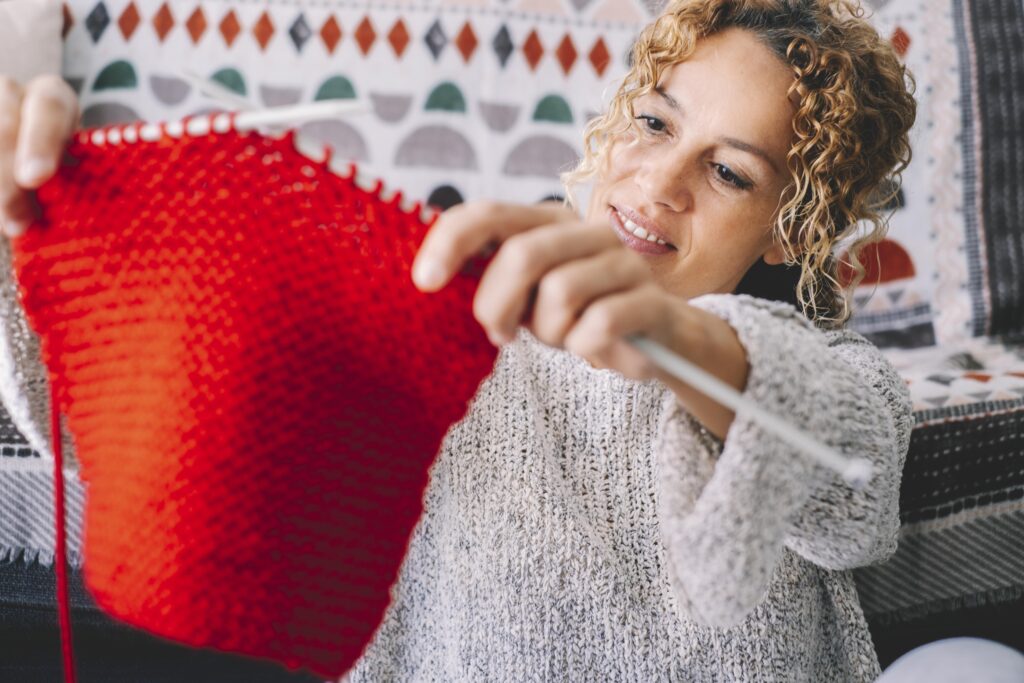
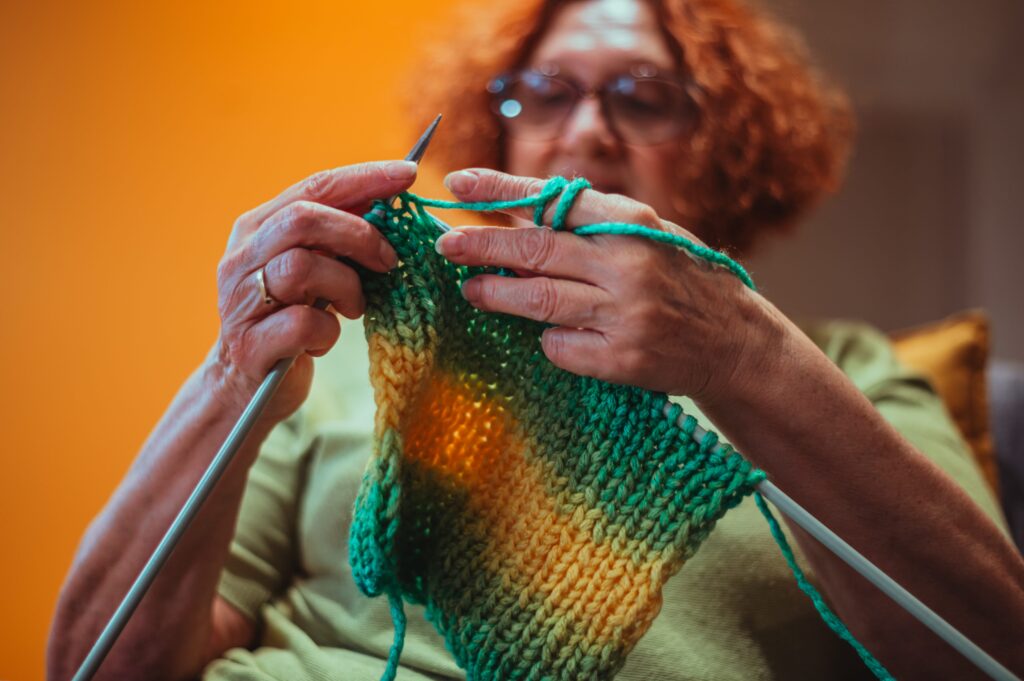
Knitting is one of the oldest and most beautiful fiber arts, but if you are left-handed, you probably already know the frustration of trying to learn from right-handed tutorials. Almost every book, YouTube video, and written pattern assumes you are holding the working needle in your right hand. This can be discouraging, but the truth is simple: knitting is for everyone. Lefties just need a slightly different perspective and some adjustments to make the craft feel natural.
In this guide, you’ll learn everything you need to start knitting as a left-hander — from holding your needles, to mastering the basic stitches, to completing your very first project.
Why Knitting Can Feel Different for Left-Handers
When a right-handed knitter demonstrates, their movements look “backwards” to you. If you try to copy exactly, your stitches may slant in the wrong direction, or your fabric might not match the pattern. The most common challenges lefties face include:
- Mirroring confusion – It feels like everything is reversed.
- Tension struggles – Holding yarn in the opposite hand can make stitches too loose or too tight.
- Pattern mismatch – Written instructions often describe motions from a right-handed point of view.
The key is not to fight against your natural hand dominance but to embrace left-handed techniques.
Getting the Right Tools
The first step is choosing the right supplies. Wooden or bamboo knitting needles are highly recommended for beginners because they have more grip, preventing stitches from slipping off too quickly. Pair them with a medium-weight yarn (like worsted or chunky) so your stitches are large and easy to see. If you can, invest in a good pair of left-handed scissors — it seems like a small thing, but when you trim yarn dozens of times during a project, the difference is huge.
Learning to Cast On
Casting on means creating the foundation row of stitches on your needle. For left-handers, this can feel awkward at first. Instead of trying to copy a right-handed knitter, focus on the motion that feels natural in your left hand. Many lefties prefer the long-tail cast on because it creates a neat, stretchy edge and gives you immediate practice with yarn control.
Hold the empty needle in your left hand. Use your right hand to manage the yarn and loop it around your thumb and fingers. Then place each loop onto the left needle. The first few tries may feel clumsy, but once your fingers learn the rhythm, it becomes second nature.
Mastering the Knit Stitch
The knit stitch is the foundation of knitting. As a lefty, you will insert your needle from left to right instead of the standard right-to-left motion. This feels much more natural and keeps your work consistent.
To practice, cast on ten stitches and knit every row. This creates a simple fabric called garter stitch. The bumps give texture, and the repetition builds confidence. Don’t worry if your tension is uneven — every beginner struggles with this, right or left-handed. Over time, your stitches will even out.
earning the Purl Stitch
Once you’re comfortable with knit stitches, it’s time to learn the purl stitch. If knitting is pushing yarn through the front, purling is pushing yarn through the back. Together, knit and purl are the building blocks of all complex knitting patterns.
As a left-hander, you will again reverse the motion, inserting the left needle differently from right-handed guides. This may seem confusing if you’re watching a right-handed tutorial, so look for videos made specifically for left-handers. Luckily, more and more creators are producing mirrored content.
Combining Knit and Purl
With both stitches mastered, you can start creating different textures. Alternating one row knit and one row purl creates stockinette stitch, which is smooth on one side and bumpy on the other. Alternating knit one stitch, purl one stitch across the same row creates ribbing, the stretchy pattern you see on sweater cuffs and hats.
This is where knitting starts to feel magical. You’ll realize that just two basic stitches can lead to endless possibilities.
Tips for Success as a Left-Handed Knitter
- Don’t force right-handed methods. Adapting them will only frustrate you. Find left-handed instructions instead.
- Practice daily, even for 10 minutes. Small, consistent sessions are better than long, irregular ones.
- Focus on consistency over speed. Uneven stitches will improve naturally with time.
- Use bright yarn. High-contrast colors make it easier to see where your needle should go.
- Celebrate mistakes. Every dropped stitch or loose loop is part of the learning process.
Your First Project: A Lefty-Friendly Scarf
After practicing swatches, you’re ready for a real project. The best beginner project is a simple scarf. Cast on twenty stitches, then alternate between knit and purl rows to create stockinette stitch. Continue until the scarf is as long as you want, then bind off.
It won’t be perfect, and that’s okay. Every stitch in that scarf is proof that you are building a new skill. When you wear it or gift it to someone, you’ll feel the pride of creating something with your own hands — and your own left hand at that.
Final Thoughts
Being a left-handed knitter means you will always have to adapt instructions, but it also means you are part of a unique creative group. Knitting is not about speed or perfection; it is about rhythm, patience, and expression. Once you overcome the first hurdles, knitting becomes a soothing habit you can enjoy for years to come.
So pick up your needles, embrace your left hand, and let the stitches flow.